







A prospective client asks for a quote for a new web application. You spend a day researching integrations, estimating features, and writing a polished proposal. Then the conversation goes quiet. Later, you discover the project had no approved budget and the person who contacted you was not involved in choosing a supplier.
Not every enquiry becomes a project, and that is normal. But freelance developers can protect their time by learning whether an opportunity is ready for a proposal before producing one.
Ask what the client is trying to change
A request for “a portal with a dashboard” describes a possible solution, not necessarily the reason for buying it. Ask what is happening today, who is affected, and what a successful result would allow the organisation to do differently.
For example, a client may ask for a reporting dashboard because managers are manually reconciling information from several systems. Understanding that workflow helps you identify the real work: data access, responsibility for its accuracy, and the decisions the report needs to support.
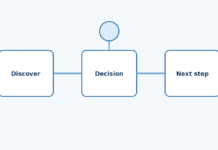
Find the decision process
Ask who will use the application, who will review the proposal, and who can approve the work. In a small business those roles may belong to one person; elsewhere they may be split across operations, technology, finance, and procurement.
The goal is not to bypass your contact. It is to understand how the decision will happen and whether important voices need to be involved before you make assumptions about scope or timing.
Discuss budget and constraints early
A budget conversation need not begin with a demand for an exact number. You can explain that implementation options vary significantly and ask whether the client has an approved range, a target investment, or an internal process for setting one.
Also ask about the expected deadline and why it matters. A date tied to a signed event or a regulatory obligation is different from a preferred launch month. Understanding the constraint lets both sides discuss what could be delivered within it.
Check readiness and access
A project can be worthwhile without being ready to start. The client may still need access to an existing repository, approval from a data owner, or a decision about who will supply content. An integration may depend on a vendor whose capabilities are not yet known.
Record these unknowns and explain their effect on the next step. A short paid assessment may be appropriate when substantial investigation is needed, while a smaller project might only require the client to gather existing documentation before a reliable estimate is possible.
Use a proportionate next step
Not every enquiry needs the same sales process. A straightforward bug fix may need a brief discussion and an hourly estimate. A multi-system application may require interviews, technical assessment, and a written scope before anyone can responsibly commit to a fixed price.
At the end of an initial conversation, summarise the problem, the people involved, the known constraints, and any open questions. Then agree on a specific next step and date. If the opportunity is not a fit, a respectful explanation saves time for both parties.
Qualifying an enquiry is not about making clients pass a test. It is about gathering enough information to decide whether you can help and what kind of proposal would be useful.