








“Could you give me a quote?”
It is a reasonable question, but it sometimes arrives before anyone can describe the work. A client wants to connect an old PHP application to a new service. They are unsure which records need to move, who approves them, or whether the existing integration can be changed. The freelancer is expected to name a price anyway.
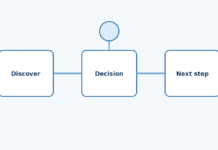
A paid discovery session offers another response: sell a small piece of decision-making work before selling the implementation. The client pays for a defined investigation and a useful output. The developer gets time to understand the problem without pretending that an uncertain estimate is a commitment.
What the client is buying
Discovery is not a disguised sales meeting. It should give the client something they can use even if they hire another developer or decide not to proceed.
Depending on the question, the deliverable might be a short options document, a map of the current workflow, a prioritized list of unknowns, or an estimate range with stated assumptions. The agreement should identify the people to be interviewed, the information the client will provide, and what level of technical inspection is included.
For example, a freelancer might agree to review a sample of an existing integration, interview its business owner, and compare two implementation approaches. The output could explain the benefits, limitations, dependencies, and remaining unknowns of each. A complete security audit or a fixed implementation quote would remain outside that engagement unless expressly included.
Give the work a boundary
Set a clear duration, price, and decision date. A short engagement might include one preparation call, a limited review period, and a written recommendation. Agree on the number of stakeholders involved and what happens if essential access or information is delayed.
Be precise about the estimate. A range based on incomplete evidence should say what could move it. If a source system’s data quality is unknown, that uncertainty belongs in the document. Discovery can reduce uncertainty; it cannot guarantee that every hidden issue has been found.
Know when not to propose it
A paid assessment is unnecessary when the task is genuinely clear and small. Asking a client to fund a workshop before changing a known label or fixing a reproducible, bounded issue can add friction without adding value.
It is also a poor fit if the client needs an answer the freelancer cannot realistically provide within the proposed scope. A complicated payment-system replacement may require specialist legal, financial, security, and operational input. A discovery engagement can identify those needs, but it should not imply expertise the freelancer does not have.
End with a decision, not a slide deck
A useful final page answers four questions: what problem are we solving, which options are credible, what remains unknown, and what should happen next? The recommendation may be to build, buy, postpone, investigate further, or leave the existing process alone.
If the client chooses implementation, prepare a separate proposal based on the findings. If they do not, they should still have received a result worth paying for. That is the test of a strong discovery offer: the decision has value independently of the build.